No-clean solder fluxes were introduced to streamline electronics manufacturing by ending the need for post-solder cleaning. The promise was simple: apply the flux, perform the soldering operation, and leave the residue in place without any detrimental effects on circuit performance or longevity. However, as the electronics industry has evolved toward increasingly complex, high-density designs, the reality of no-clean flux performance has become more challenging.
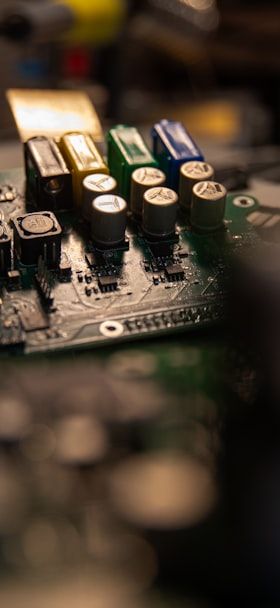
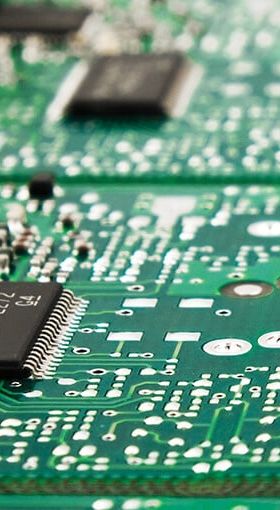
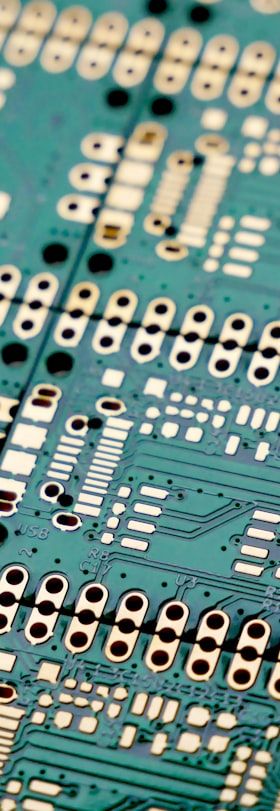
Smaller, denser boards now routinely incorporate components such as flip chips, micro BGAs, QFNs, and MOSFETs. These packages often feature finer pitches, increased I/O densities, and lower standoff heights, creating tight gaps where flux residues can become trapped. In these confined spaces, even minimal residue can disrupt circuit function, lead to electrochemical migration, or interfere with protective coatings.
As a result, manufacturers in high-reliability sectors like aerospace, medical, automotive, and defense increasingly treat cleaning as a critical process, not an optional one. The increasing use of miniaturized complex assemblies has created scenarios where cleaning no-clean flux residue is no longer optional, it‘s becoming essential for supporting reliability, performance, and quality standards.
The irony of no-clean
The irony of no-clean fluxes is that they were designed to end cleaning challenges, yet they now present some of the most difficult PCBA cleaning scenarios. When the salt activators in no-clean flux come into contact with heat or other chemicals during the reflow process, they can leave behind an unsightly white residue that may corrode fragile circuits and promote dendrite growth. This white residue is among the most stubborn and difficult contamination to remove from printed circuit boards.
Unlike traditional fluxes that were designed to be removed, no-clean flux was formulated to remain on the board permanently. This fundamental design difference means that when cleaning becomes necessary, the residue presents unique challenges that require specialized approaches and cleaning solutions.
Four critical considerations for cleaning no-clean flux
1. Maintaining signal integrity. No-clean flux residues can promote parasitic leakage, dendritic growth, or electrochemical migration. This is particularly problematic in high-voltage or high-frequency circuits, where the presence of conductive residues may generate noise, signal degradation, or intermittent performance failures.
With increasingly complex multi-layered PCBAs, manufacturers are proactively removing flux to avoid these risks. Cleaning supports predictable, long-term functionality, especially for mission-critical high-reliability applications in sectors where failure is not an option.
2. Ensuring conformal coating adhesion. No-clean residues can interfere with the successful application of conformal coatings, a key protective layer in many high-reliability assemblies. Residues may absorb moisture, which is later released during the curing phase, leading to coating delamination or incomplete adhesion.
When coatings separate from the board, contaminants can enter, causing corrosion or performance issues. Cleaning the board before coating improves coating adhesion and helps ensure environmental protection across the board‘s service life.
3. Improving product aesthetics. Although not always critical to function, the visual presentation of a PCBA matters, especially in consumer-facing products. Residues can appear unsightly or be misinterpreted as signs of poor workmanship, potentially affecting customer perception or triggering unnecessary quality concerns.
For many manufacturers, especially those producing commercial products, flux removal supports not only technical performance but also brand reputation.
4. Supporting effective inspection and quality control. No-clean flux residue can significantly complicate quality control inspections and field troubleshooting operations. Residue obscures component markings, solder joint details, and other critical features that inspectors need to evaluate. This can make both manual visual inspections and AOI systems less effective.
Flux residue can cause automated visual alignment systems to fail, leading to false readings and missed defects. Additionally, when field repairs are needed, flux residue makes it more difficult to find problem areas and assess component condition. Thorough cleaning of no-clean flux residue makes PCBA inspections more accurate and dependable, ultimately contributing to better quality control outcomes.
When and how to clean
Finding the right cleaning fluids and methods is critical to effectively remove no-clean flux residue without damaging board materials or components. Engaging cleaning specialists can provide valuable expertise in selecting compatible solutions tailored to the specific flux chemistry and assembly requirements.
Cleaning fluid selection: No-clean flux removers are available in a range of strengths. Choosing the right one means matching the cleaning fluid to both the flux chemistry and the materials present on the board. A flux remover must be effective enough to remove residue while staying safe for plastics, coatings, and metal finishes.
A practical approach is to start with a mild cleaner (low Kb value) and increase strength as needed. Selecting non-flammable, fast-drying fluids can also improve operator safety and throughput in production environments.
Cleaning methods: For smaller volumes or specialized applications, manual cleaning methods can be effective. These typically involve applying the cleaning fluid with brushes, swabs, or spray applications, followed by proper rinsing and drying steps. Manual methods offer precise control and are suitable for prototype work or small-batch production.
For higher volumes and more consistent results, automated vapor degreasing systems provide efficient and repeatable cleaning. These systems use controlled vapor phases to dissolve flux residues while minimizing fluid consumption and providing excellent cleaning uniformity across the entire PCBA surface.
Best practices for implementation
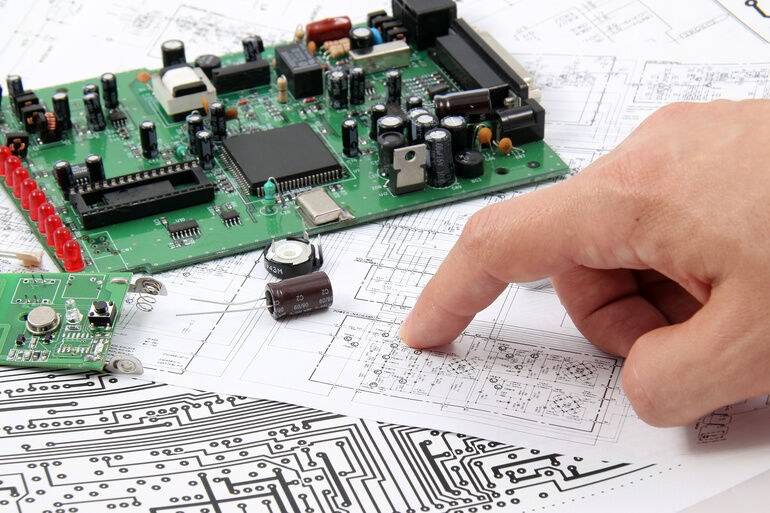
Traditional PCBA design approaches often left cleaning considerations until the end of the design process. However, as PCBAs become more complex, it‘s essential to determine cleaning requirements early in the design phase, before finalizing decisions about coatings, solder pastes, and other materials. Early fluid specification and process planning can prevent costly redesigns and production delays.
Before full-scale production, manufacturers should conduct small-batch testing to validate both cleaning fluids and processes. This pre-emptive testing approach minimizes surprises and ensures reliable cleaning performance before scaling up to full production volumes.
It is also important to follow the solder paste manufacturer’s reflow guidelines. Excessive heat exposure can cause flux residue to darken and solidify, making removal significantly more difficult. The reflow profile should be fine-tuned to achieve proper curing without creating hard-to-clean residues.
If cleaning challenges persist, manufacturers should consider alternative approaches. These might include trying different cleaning fluids, switching to no-clean solder pastes with lower solids content or fewer halides, or even transitioning to more easily cleanable flux formulations.
Consulting with a cleaning specialist can help evaluate options and adapt the process to changing board designs and customer demands. Many cleaning solution providers offer in-lab testing, onsite audits, and tailored recommendations to support consistent cleaning performance, particularly when working with new solder pastes or next-generation assembly designs.
Is it clean enough?
No-clean flux technology was originally introduced to simplify electronics manufacturing; however, today’s increasingly complex PCBAs have redefined what “clean enough” really means. Effective management of no-clean flux residues is essential to safeguard circuit performance, protect coatings, ease quality inspections, and support product aesthetics.
With a combination of informed design choices, best-practice cleaning protocols, and proper fluids and tools, manufacturers can strike the right balance between efficiency and performance, ensuring their assemblies meet today’s expectations for quality and reliability.