Furniture, fuels, cosmetics – a whole raft of diverse products are already manufactured using renewable raw materials, and R&D efforts are focused on the search for further breakthroughs. Over recent years, development work has enabled polyols from renewable raw materials to be used in the manufacture of polyurethane (PUR). Rampf Giessharze, which specializes in PUR and epoxy resin systems as well as silicone, has set itself the target of doubling its sales of bio polyol-based products by 2012. “Saving resources is the order of the day. In every key sector. The challenge we face is to develop products which are both economically and ecologically viable”, explains the CEO Dr. Klaus Schamel. The company, which produces foam gaskets, electro casting resins, adhesives and casting systems, is facing the challenge with the support of a strong partner: Its sister company Rampf Ecosystems. Working together, they have developed two special casting compounds made of rapeseed oil, whose uses include the charging plugs of electric vehicles. Both companies are part of the international Group from Grafenberg. With a workforce of around 410 and a planned turnover of 85 million Euro for the 2010/2011 financial year, the company group is among the leading names in the reaction casting resin and machine system sector. The company has secured its market presence with a total of five operative companies, all united under the umbrella of a holding company. With its primary export markets in Europe and Asia, as well as the NAFTA region, the company also maintains its own agencies in the USA, Japan and China.
One business division, Rampf Ecosystems based in Pirmasens, is dedicated exclusively to the recycling of polyurethane and research into renewable raw materials such as rapeseed oil, lactose, grease and glycerine. They do not class polyurethane production residues and post-consumer PET from packaging (green dot) as waste, but as a valuable recycling resource. Using special chemical processes such as glycolysis, acidolysis or polyolysis, these are processed to create (recycling) polyols. Known as recypoles and petoles, these are fed back into the polyurethane manufacturing process. Its customers include not only the companies of the Group but also other system suppliers. The company has developed a thermal glycolysis plant for the recycling process which is currently among the biggest of its type in Europe. An additional plant is due to be commissioned in the spring of 2011 in the company’s Pirmasens location. This is due in large part to the rise in demand for bio-polyols. This will double the annual capacity of the recycling specialist to around 5,000 tons.
Alongside the production of shaped components such as headrests and gear knobs, also a plant construction service directly on its customers’ premises will provided. With this service, it closes the loop between PUR processing, waste material recycling and repeated use of the produced polyols.
To extend the application spectrum of renewable raw materials in polyurethane plastic production, the company has concentrated specifically since 1999 on the modification and functionalization of renewable raw materials. It is particularly keen to use domestically produced plant oils such as rapeseed oil, which is sourced locally from an oil mill located in the vicinity.
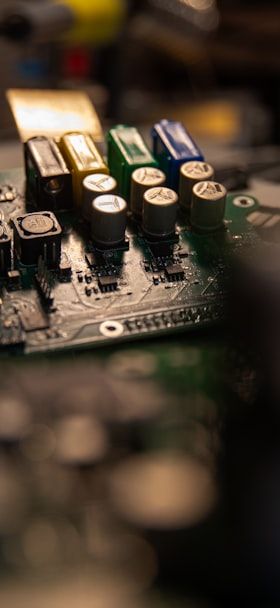
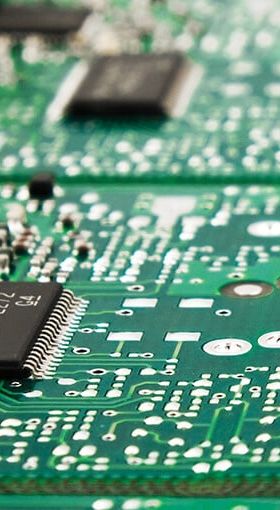
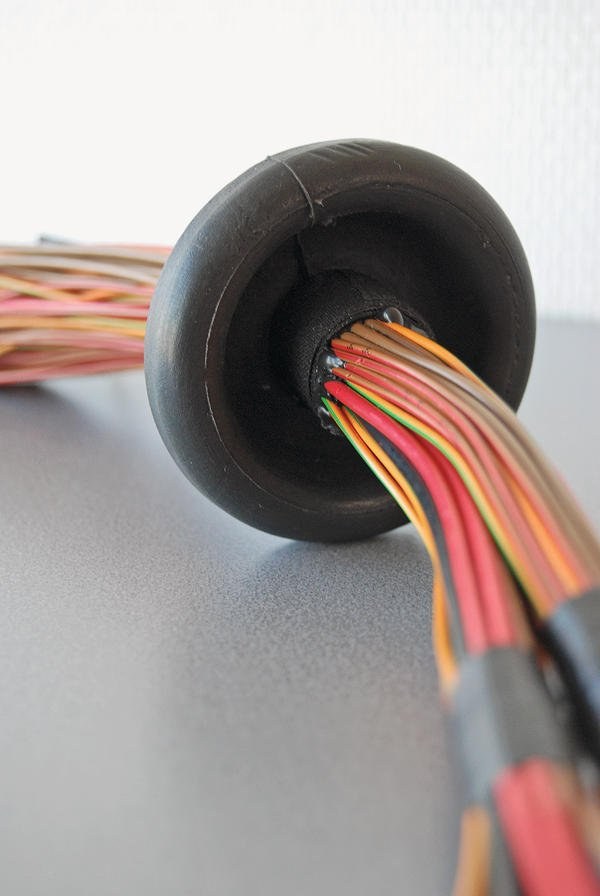
The benefits of bio-polyols for manufacturers and customers alike do not require complex explanation. Long-term availability, carbon neutrality and improved product characteristics make bio plastics a competitor to be reckoned with for conventional materials. “Compared to a petrochemical-based polyurethane, the emission of greenhouse gases can be reduced by 30 %. There is also scope for improved functionality,” emphasizes Michael Kugler, Operations Manager at Rampf Ecosystems. Sugar derivatives, for instance, demonstrate high functionality levels which result in improved cross-linking in the subsequently produced polyurethane, and in better mechanical foam characteristics when producing hard foams. Plant oil-based polyols, or rather the relevant fatty acids, have a pronounced hydrophobic character, making them a popular option in hydrolysis-stable polyurethanes. The first rapeseed and soya oil-based products to be manufactured are the proof. Only recently, an efficient encapsulating compound was launched in the marketplace which is used as a protective sleeve in cable grommets for trucks. The mechanical strength and outstanding vibration, noise and thermal insulation properties of the hard foam product manufactured from rapeseed oil are impressive. The experts have also developed an electro casting resin made of bio-polyols which is used for instance in the charging plugs of electric vehicles. The material is able to compensate for extreme differences in temperature, but provides protection against overheating, impacts and chemicals.