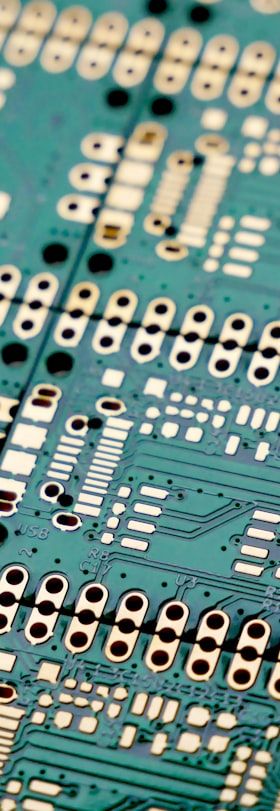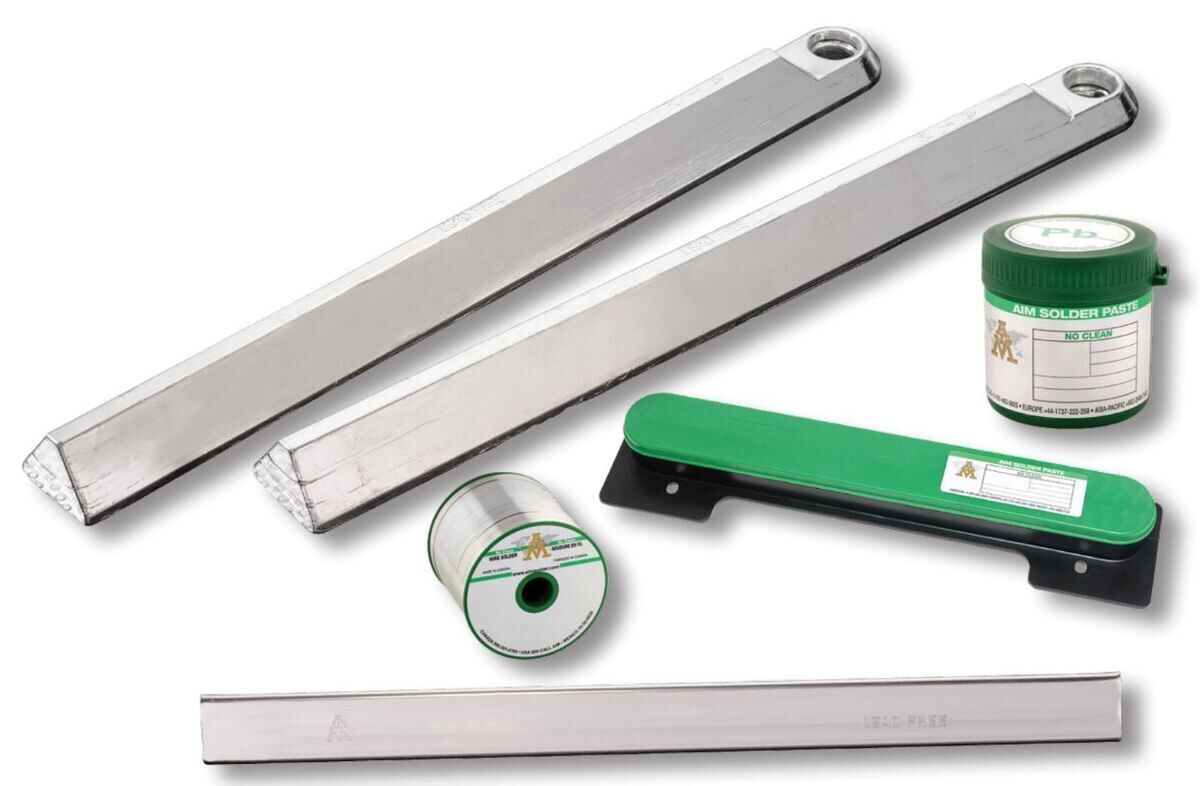
The alloy is designed as a drop-in replacement for SAC305. By reducing silver content and incorporating a small percentage of bismuth, REL61 delivers performance equal to or better than SAC305 across all metrics at a much lower price point. With silver prices reaching record highs, there‘s never been a better time to switch. Mid- to large-scale manufacturers have already saved hundreds of thousands of dollars annually by converting to REL61. In production for over a decade, a broad range of electronics manufacturers have adopted REL61. This product is available in bar, solid and cored wire, and solder paste for use across all assembly applications.
At the accompanying technical conference, Gayle Towell of the company will be presenting a paper titled “Rethinking Area Ratio: A Physics-Based Model for Predicting Solder Paste Transfer Efficiency for Thin Stencils”. This presentation will take place in session #17 SMT Process 2: Stencil & Print Quality on Wednesday, March 19th from 2:00–5:30 pm local time.
The following is an abstract from the presentation:
Area ratio (AR) has long been the industry standard for predicting solder paste transfer efficiency (TE) and guiding stencil aperture design. However, as electronics manufacturing pushes toward ultrafine pitches and thinner stencils, inconsistencies in TE have emerged despite AR values being above the recommended 0.60 threshold. This study examines the theoretical foundations of stencil paste release, focusing on the interplay between gravitational forces (which scale with paste volume) and adhesive forces between paste, stencil walls, and substrate (which scale with surface area).
Here, an alternative model for variable AR limits that accounts for variations in stencil thickness is proposed. To test this approach, the model was applied to pre-existing experimental data obtained from previously published papers in which print tests with differing stencil thicknesses were used. Findings indicate that a stencil-thickness-dependent AR limit provides a more accurate predictor of TE across varying stencil designs and could inform future industry standards for ultrafine solder paste printing.