» Chris Williams, Solderstar Head of European Sales
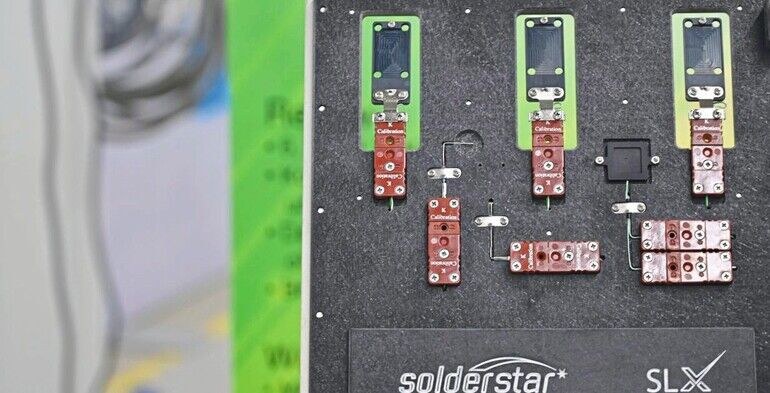
Traditional profiling methods, which focus solely on temperature, are struggling to keep pace. To maintain reliability and efficiency, manufacturers are turning to broader verification strategies that monitor more than just temperature.
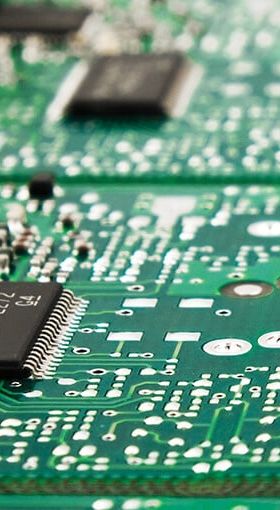
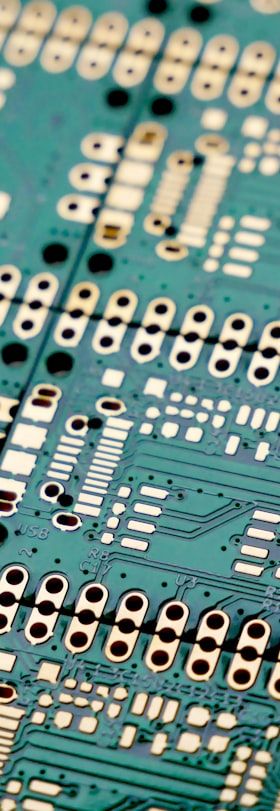
Miniaturization has dramatically changed the thermal dynamics of PCBs. Modern assemblies often include tightly packed components, with small passives placed adjacent to high-mass parts such as connectors or shields. This variation in thermal mass makes achieving a consistent reflow profile across the entire board increasingly difficult.
Whereas legacy profiling techniques might have sufficed in low-density or high-volume environments, today’s engineers are expected to deliver precise thermal conditions for complex, mixed-technology boards often within tight timeframes that leave little room for trial and error. Simply put, profiling can no longer be a time-consuming, manual task; it must be fast, accurate, and easily repeatable.
Time-efficient solutions
In high-mix environments, the need to switch between product types quickly without excessive downtime is critical. Thermal profiling solutions have evolved to address this requirement, offering tools that enable engineers to input solder paste specifications and automatically adjust temperature profiles to align with the desired process window. This automation significantly reduces process setup time from hours to minutes, allowing thermal profiling to facilitate, rather than impede, production throughput.
More importantly, profiling is now considered an integral and continuous element of process control, rather than a one-time setup step. Instead of re-profiling after every oven adjustment, many manufacturers are adopting daily verification protocols based on established benchmarks. This approach minimizes unnecessary downtime while ensuring baseline process parameters consistently remain within specification.
A multivariable approach
Modern reflow ovens are more sophisticated than ever, with many incorporating vacuum chambers, nitrogen atmospheres, and high-speed conveyor systems. As such, temperature is no longer the only variable that matters. To ensure process stability and solder joint integrity, manufacturers must now monitor a range of environmental and mechanical conditions:
- Oxygen (O2) levels: Operating in an inert atmosphere requires strict control of O2 concentrations. Excessive oxygen can lead to oxidation and poor solder joints; insufficient oxygen can result in excessive nitrogen use and issues such as tombstoning. Rather than relying on single-point sensors, full-profile oxygen monitoring across the length of the oven provides clearer insight into atmospheric consistency and leak detection.
- Vacuum profiling: In vacuum reflow, the goal is to evacuate trapped gases that can cause voids in solder joints. However, incorrect pull-down, hold, or release rates can lead to component shifting or insufficient void removal. Measuring the vacuum cycle in real process conditions enables engineers to optimize timing and vacuum strength for both quality and throughput.
- Vibration: Mechanical disturbances from conveyor systems or vacuum modules can cause components to shift during reflow, especially on densely populated boards. By measuring vibration in three axes (X, Y, and Z), manufacturers can identify mechanical faults, such as misaligned conveyors, before they lead to defects.
- Conveyor speed: Even subtle variations in conveyor speed can impact thermal consistency, especially when combined with other variables. Complete monitoring ensures that recipe compliance is maintained and deviations are identified and corrected before they affect product quality.
From reactive to predictive
While profiling is essential for setup, verification is becoming the mainstay of ongoing process control. By establishing a ‘base point’ and monitoring deviations across temperature, oxygen, vibration, and other parameters, manufacturers can proactively address emerging issues before they escalate into failures.
For example, if contact time in a wave soldering process begins to shift by even a fraction of a second, it may indicate a mechanical or thermal drift. Similarly, a gradual increase in vibration levels could signal conveyor wear. These indicators enable maintenance to be scheduled based on the actual condition of the equipment, rather than fixed intervals, thereby reducing downtime and extending the lifespan of machinery.
Supporting compliance and sustainability
In addition to quality and efficiency, evolving industry regulations are pushing manufacturers to document and control environmental conditions. Standards such as ISO 14001 require continuous improvement and environmental accountability. Real-time monitoring of nitrogen usage, leak detection, and gas management not only helps meet these standards but can also reduce unnecessary consumption and operational costs. For instance, undetected leaks in nitrogen lines or broken seals can lead to thousands of euros, pounds, or dollars in excess gas usage per year. By capturing complete oxygen profiles manufacturers can detect and correct these issues early, contributing to both cost savings and sustainability goals.
ROI in efficiency
For manufacturers assessing the return on investment in modern thermal profiling systems, the value lies in improved process visibility and reduced operational overhead. Simplified verification tools allow routine checks to be carried out by non-engineering staff, freeing up skilled engineers to focus on process optimization and problem-solving.
At the same time, access to detailed process data enables engineers to quickly identify issues within the oven, supporting faster decision-making and more effective troubleshooting.
Modern profiling is not about collecting more data for the sake of it, it is about gaining the insight needed to reduce defects, improve yields, minimize downtime, and stay aligned with evolving quality and sustainability requirements. In a production setting where change is constant, reliable visibility into process performance is critical.