Cybord, an Israeli AI-based component inspection company, has published an industry analysis arguing that visual AI integrated into SMT assembly lines is becoming a critical safeguard for automotive electronics manufacturing. The piece, authored by CEO Oshri Cohen and originally sourced from MOTOR Magazine, references 2024 recall data showing 27.9 million vehicles flagged for defects, with 35,709 receiving do-not-drive alerts—nearly three times the 2023 figure.
The core argument centres on the vulnerability introduced by faulty or non-conforming electronic components entering the assembly process. According to Cybord, a single defective part soldered onto a PCB typically renders the entire board unusable, resulting in scrap, increased production costs and potential delivery delays—compounding downstream warranty and recall risks for automotive OEMs and their Tier 1 and Tier 2 suppliers.
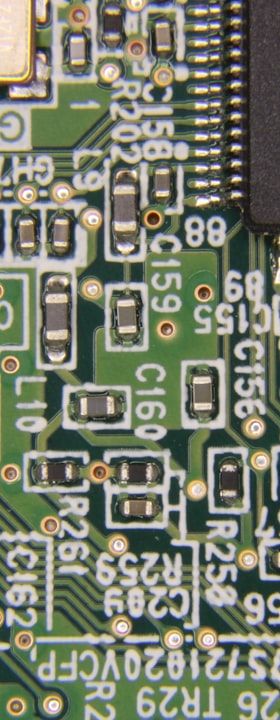
Cybord's platform operates by capturing and analysing high-resolution images of every component at the placement stage, before and during reflow soldering. The system cross-references visual data against a component database to identify issues such as counterfeit parts, physical damage, incorrect markings or date-code anomalies. This positions the technology as a complement to existing inline inspection steps, including SPI (solder paste inspection) and post-reflow AOI, by adding a component-identity verification layer earlier in the process.
The article also highlights the regulatory context shaping automotive electronics manufacturing. Standards including IATF 16949—the automotive-specific quality management system standard—and ISO 26262, which governs functional safety of electrical and electronic systems in road vehicles, impose stringent traceability and process control requirements. Visual AI that logs per-component data at placement provides a verifiable audit trail aligned with these frameworks.
A further dimension addressed is the growth of software-defined vehicles (SDVs). Cybord cites industry projections suggesting SDVs will account for approximately 90% of new vehicles by 2029, up from 2.4% in 2021. Greater software integration increases the density and criticality of electronic hardware, making component integrity at the assembly level more consequential than in previous vehicle architectures.
For European electronics manufacturers supplying the automotive sector, the relevance is direct. EMS providers operating under IATF 16949 certification face pressure to demonstrate component-level traceability and defect prevention, particularly as OEMs push quality obligations further down the supply chain. Inline visual AI inspection, integrated with MES and traceability systems, represents one approach to meeting these obligations without adding dedicated manual inspection stations.
Cybord's technology is designed to integrate with standard SMT pick-and-place lines, making adoption feasible within existing production environments rather than requiring dedicated inspection cells. The company has not disclosed specific customer references in this publication, but positions the solution as applicable across automotive, aerospace and medical electronics manufacturing verticals where functional safety standards apply.
Quelle: Cybord – https://cybord.ai/news_events/news/the-hidden-risk-ensuring-safer-vehicles-with-visual-ai/